Geography Is Back On The Map

For a long time, success in tech seemed tied to relocation. Bigger markets. Bigger investors. Bigger ecosystems. But hardtech follows different rules. Several companies are proving that staying close to factories, infrastructure and industrial ecosystems can be a competitive advantage in itself.
Software can scale from almost anywhere. Real things often can’t. Building satellites, robots, batteries, quantum infrastructure or next-generation transport systems usually requires more than laptops and venture capital. It requires proximity: to manufacturing, testing environments, industrial partners and real-world deployment.
Here are 8 Nordic companies that scaled globally without fully leaving the ecosystems that shaped them.
🇸🇪 Exeger
Still producing its Powerfoyle solar cells in Stockholm, Exeger has become one of Europe’s clearest examples of advanced energy hardware scaling without abandoning local manufacturing. Staying close to production has allowed the company to keep tight control over materials, process development and product integration, something that becomes difficult once manufacturing moves too far away from engineering.
🇸🇪 Candela
Candela’s electric ferries and hydrofoil boats are now attracting attention far beyond Sweden, while the company remains deeply tied to Stockholm’s engineering and maritime ecosystem. Building next-generation marine technology close to shipyards, test environments and Nordic boating culture has helped shape both the product and the pace of development.
🇫🇮 ICEYE
From Finland to orbit. ICEYE has become one of Europe’s most important space and defence companies while keeping its roots firmly planted in the Nordic space ecosystem. The company has benefited from remaining close to highly specialized engineering talent and a growing regional focus on dual-use and sovereign infrastructure.
🇫🇮 Bluefors
Bluefors builds the ultra-low-temperature systems powering parts of the global quantum industry, proving that deeply specialized infrastructure companies can scale internationally from Finland. In sectors this technical, proximity to research environments and long-term engineering competence often matters more than startup hype cycles.
🇳🇴 TOMRA
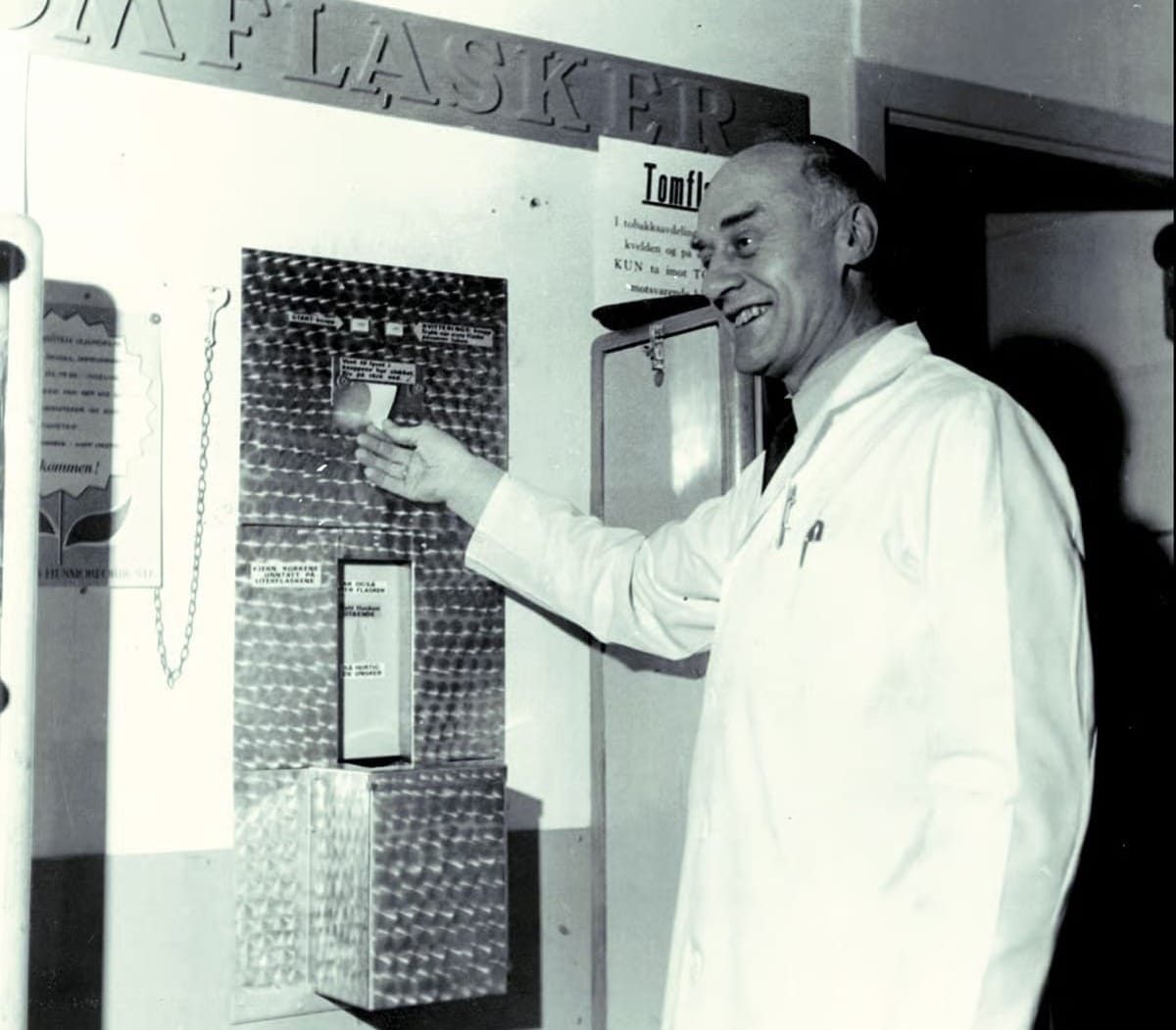
Long before “climate tech” became a category, TOMRA was already building global infrastructure around sorting, recycling and resource optimization from Norway. Its long-term success says something important about industrial companies built close to the industries they actually serve.
🇳🇴 Kongsberg
Defence, maritime systems, autonomy and industrial technology. Kongsberg remains one of the clearest examples of how deeply rooted industrial ecosystems can produce globally relevant technology companies. Decades of proximity to shipping, defence and offshore industries created capabilities that would have been difficult to replicate elsewhere.
🇩🇰 Universal Robots
Universal Robots helped put collaborative robotics on the global map without turning itself into a Silicon Valley company in the process. Denmark’s strong automation and manufacturing culture gave the company direct access to the kinds of industrial environments where collaborative robots actually needed to work.
🇩🇰 Topsoe
From industrial chemistry to hydrogen and energy transition infrastructure, Topsoe continues scaling globally while remaining tightly connected to Denmark’s industrial base. In complex energy systems, staying close to industrial partnerships and applied research environments can become a strategic advantage of its own.