Year-end.
Market evolves.
2025 is coming to a close. What started as an experiment has turned into 36 editions of Nordic Hardtech Weekly, 19 podcast conversations, and a steadily growing community around one shared interest: building real technology in the Nordics, and understanding what it takes to do it well.
Before we take a short break over the holidays and return after the year-end pause, we wanted to end the year with a conversation that captures many of the themes we’ve seen repeat throughout 2025: how judgment is formed, how timing matters, and what it actually takes to build physical products when feedback, capital and patience are all finite.
Nordic Hardtech Partners 🤝
- Lightbringer: AI-powered patent service helping tech companies protect their edge fast, with in-house legal expertise. Book an intro.
- Recuro: Growth partner for hardtech and deeptech. Scale with profit.
- SISP (Swedish Incubators & Science Parks): The network for 60+ incubators and science parks in Sweden. Find yours here.
- The Yard: Gothenburg’s hub for co-working, community, and serious hardware. Explore their memberships.
Nordic Hardtech Podcast 🎧
This week: building consumer hardware with discipline.
Building Before You Ask for Permission
Consumer hardware is shaped by reduction, timing and restraint. In this week’s podcast, Atonemo founder Leo Ballesteros shares how learning, cutting and waiting have defined the company’s journey so far.
For Leo Ballesteros, building Atonemo has been a continuous learning process. Not in theory, but in practice. Consumer hardware leaves little room for routines, because each phase introduces new constraints, dependencies and trade-offs that cannot be learned in advance.
– There hasn’t been a day these past three years where I don’t learn something new. It’s constant, and it doesn’t really slow down, he says.
That pace is part of the medium. Hardware forces founders to operate across disciplines from the very beginning. Software, electronics, manufacturing and industrial design all converge early, often before the founder feels ready. The result is less control, but faster exposure to reality.
If Leo were to start again today with a new consumer electronics idea, he would still begin broadly rather than cautiously. Exploration comes before discipline.
– I start by throwing in everything. All the features, all the ideas. Then the work becomes about taking things out, he says.
This reduction is not about minimalism for its own sake. It is about discovering what actually matters. According to Leo, essence is not something you define upfront. It is something you arrive at by cutting away what does not belong.
Progress begins once something physical exists
Early on, many first-time hardware founders assume they need a large team immediately. Leo’s experience suggests otherwise. The first versions are often buildable without much external help, even if the workload is intense.
– Most probably you can build it yourself in the beginning. You’re doing software, hardware, manufacturing and design. It’s a lot, but it’s possible, he says.
That phase does not last long. As complexity grows, alignment becomes more important than speed. Team members shift from task execution to ownership of areas beyond the founder’s reach.
Speed still matters, but not in the form many expect. For Leo, progress begins once something physical exists. A prototype changes conversations and priorities in ways slides never will.
– You want to build something you can actually hold in your hands. That’s when things become real and you can start iterating properly, he says.
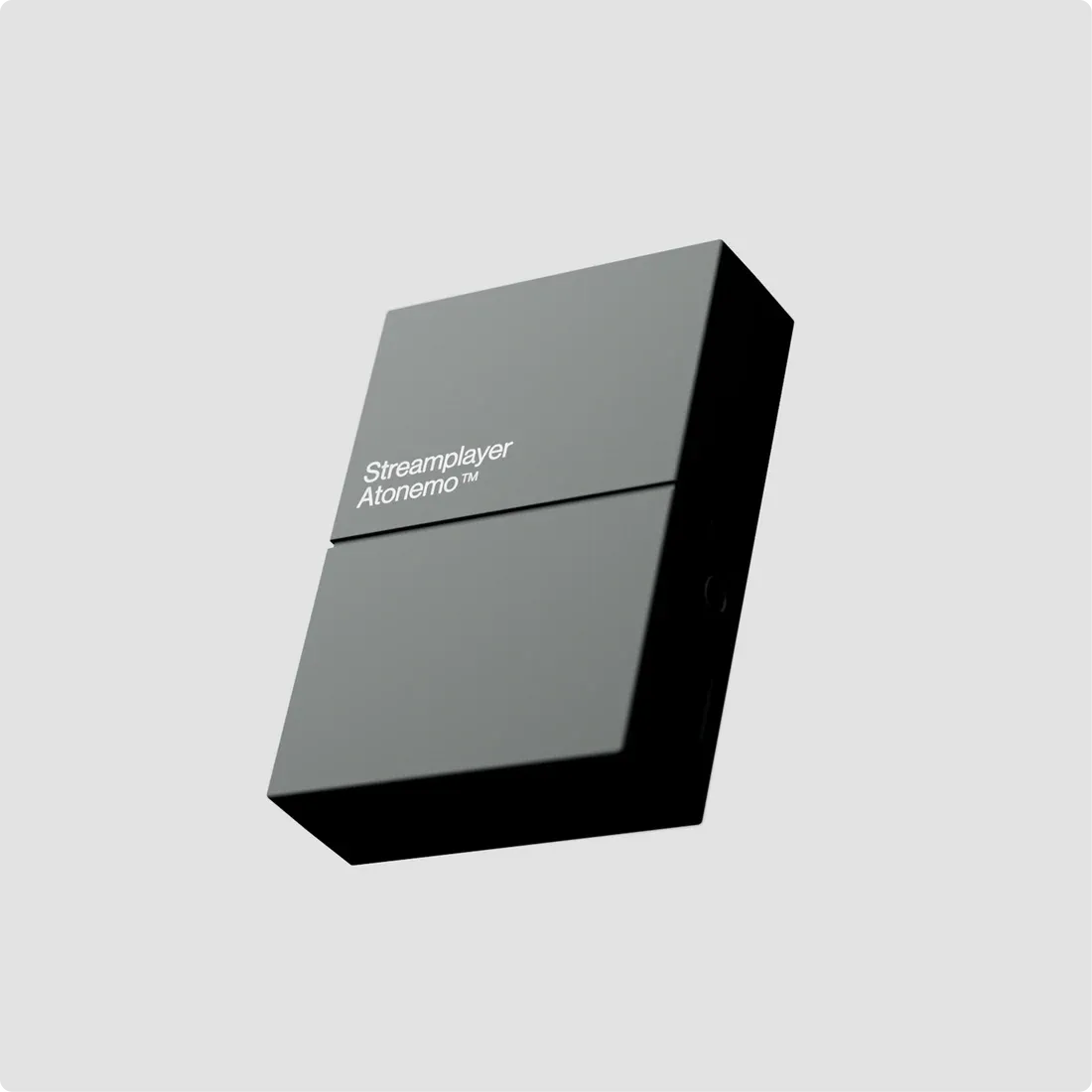
Iteration, however, does not mean opening the door to all feedback. Leo is careful about when outside opinions enter the process. Especially early on, feedback can distort rather than improve the product.
– If you know it’s not good enough yet, but you have a clear vision for where it’s going, other people will kill that vision with their input, he says.
"Always double the money you think you need"
That need for restraint doesn’t stop with external feedback. Ideas require time before critique becomes useful. Founders must be able to sit with uncertainty long enough for something stronger to emerge.
Eventually, every hardware company runs into the same reality: underestimated timelines and budgets. According to Leo, this is not poor planning, but a structural feature of building physical products.
– Always double the money you think you need, and always double the time. Especially the first time, because so many things will come up that you just don’t see in advance, he says.
For Leo Ballesteros, building consumer hardware is ultimately about judgment. Knowing when to listen, when to wait, and when to protect an idea long enough for it to stand on its own is often what determines whether it survives contact with the market.
Lately ⏮️
Selected news from the hardtech ecosystem
- RISE wraps up the year by showcasing seven science-based innovations supported in 2025, spanning energy, manufacturing and resilient infrastructure.
- Sweden is investing SEK 50m in a national Space Research School led by Christer Fuglesang, targeting future talent in space, dual-use and strategic technologies.
- Humanoid robotics is moving from spectacle to manufacturing reality, with cost curves and unit economics now determining survival, notes Hardware FYI.
- Home energy startup Elvy, featured earlier in our newsletter and podcast, has secured €500m to scale its subscription model for solar, heat pumps and home batteries across Sweden.
- Swedish energy tech startup Skye has raised SEK 105m to scale its Energy Autopilot software, aiming to cut industrial electricity costs by up to 50% across Europe.
Up next ⏭️
What's brewing in the community?
- 🎯Blykalla is hiring a Chief Commercial Officer to build global commercial partnerships, as the Swedish SMR nuclear company targets industrial and AI-scale demand. Apply here.
- SVID is hosting a January workshop in Stockholm focused on industrial symbiosis, helping manufacturers turn residual materials into new circular business opportunities. Registration is open.
- Nordic energy and industry leaders gather in Stockholm this January for the Annual Nuclear Conference, focusing on nuclear power’s role in future energy systems and industrial resilience. Registration closes December 19.
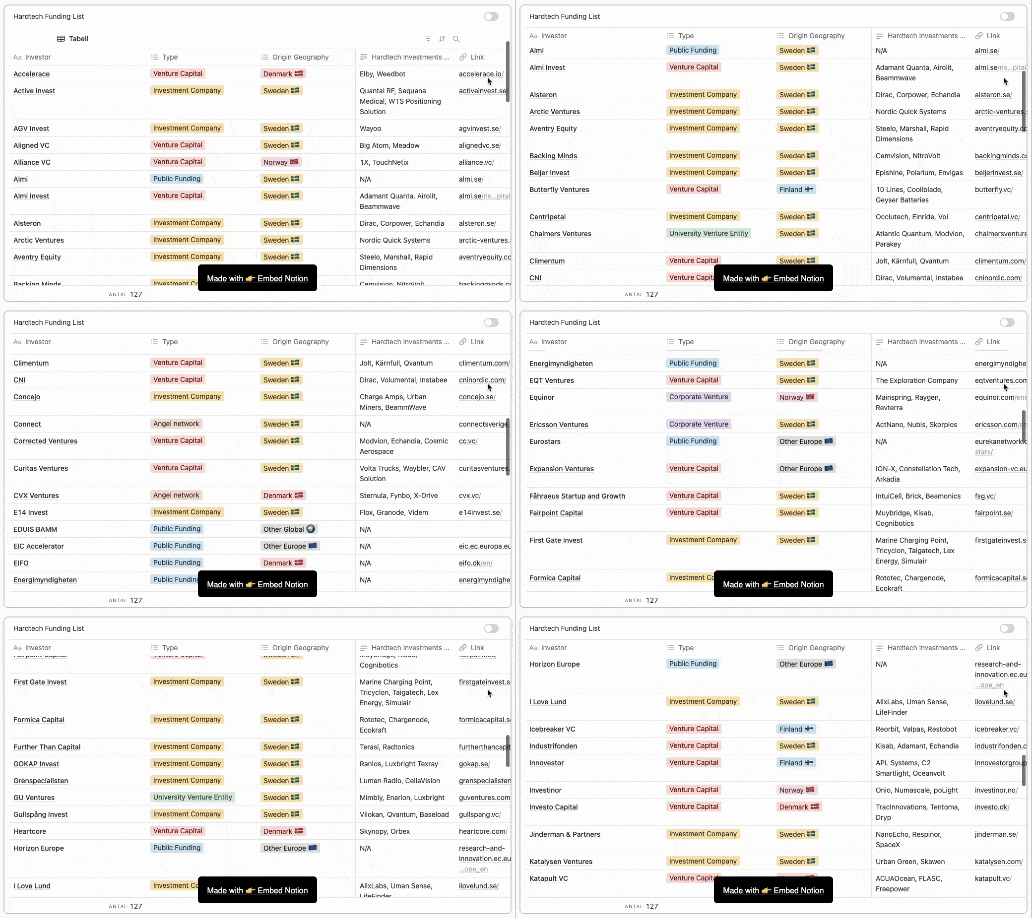
Nordic Hardtech Funding List
See who’s raising, scaling and building across the Nordics.
Nordic Hardtech is a platform for the hardtech ecosystem — sharing knowledge, bringing inspiration, and building community through podcasts, newsletters, events, and more.
💸 Fuel up. Scaling takes capital — The Nordic Hardtech Funding List shows you where to find it.
💥Get involved. Pitch a topic. Join the podcast. Get on the investor list– if you're hardtech.
→ Spotify | LinkedIn | nordichardtech.com
📩 hello@nordichardtech.com