Unplug a little.
Stay curious.
While the Nordic tech scene slows for summer, we’re keeping the gears turning, just in a lighter gear. This is one in a series of our vacation-edition newsletters: less packed, still potent!
This week, we rewind to a sharp conversation with Dora Palfi, co-founder and CEO of imagi, the edtech startup making coding click for girls through playful hardware and inclusive design.
As always, we’re also keeping tabs on what’s moving across the hardtech space —because even in July, this ecosystem doesn’t fully clock out.
Nordic Hardtech Partners 🤝
Nordic Hardtech is a community for builders of complex tech companies based on physical products. Here are some of our outstanding partners.

- Lightbringer: AI-powered patent platform helping tech companies protect their edge fast, with in-house legal expertise. Missed our recent IP webinar? Watch the replay!
- Recuro: Growth partner for hardtech and deeptech. Strategy, marketing, and scalable business models that drive real traction. Book an intro.
- SISP (Swedish Incubators & Science Parks): The network for 60+ incubators and science parks in Sweden, powering innovation and scaleups across the country. Find yours here.
- The Yard: Gothenburg’s industrial-chic hub for startups. Co-working, community, and serious hardware energy. Explore their memberships.
Nordic Hardtech Podcast
This week: How image is rewiring how girls learn tech.
Teaching Tech With a Twist: the mission to diversify coding
“They literally scream with excitement”
Dora Palfi, co-founder and CEO of imagi, is on a mission to make coding creative, inclusive – and actually fun. Her startup turns Python into pixel art, and classrooms into places where tech feels like play.
When Dora Palfi co-founded imagi, she wasn’t aiming to build the next big app. She wanted to fix a system that left too many kids, especially girls, on the outside of tech.
– Tech is shaping our future, so if it's built by a non-diverse group, that future won't serve everyone, says Dora.
She has the credentials to back it up: a background in neuroscience and computer science, time at KTH (Sweden’s Royal Institute of Technology), and hands-on work as a UX designer. But it was a side project at university, researching what would make coding fun and accessible for girls, that set the path. That project became the seed for imagi, and eventually the imagiCharm – a programmable device that lets kids turn code into animations they can wear and share.
– There's a moment when kids upload their first animation, and they literally scream with excitement. That physical feedback loop is magic, Dora says.
The road to market hasn’t been straightforward. imagi’s first product was a gamified mobile app that reached over 300,000 users. But it lacked a sustainable business model. The pivot to education came when teachers started asking to use imagi in classrooms.
– Teachers wanted to teach coding, but didn’t have the tools or the training. We realized we could be that bridge, says Dora.
Today, imagi sells both software and hardware to schools. Its strongest traction is in the US, where states are beginning to mandate computer science as a graduation requirement. The company has focused on ease of use, teacher support, and a curriculum aligned with standards. And that bet is paying off.
– We've had 20–30 percent month-over-month growth lately. And just last month, we shipped 1,000 imagiCharms in a single order.
Still, Dora is careful not to scale blindly. imagi works closely with teacher ambassadors, builds trust at the district level, and adjusts its pricing model based on school feedback. For Dora, it's about mission first, then market.
– We want to be the most loved brand in computer science education. And you can't fake love.
The hardware haters are still out there, but Dora has no regrets.
– Some investors said "don’t do hardware." But we knew what worked. The hardware is what makes kids light up. And sometimes you have to build what you believe in.
Lately ⏮️
Selected news from the hardtech ecosystem
- Remora just raised €14M to clean up aquaculture. With autonomous robots and real-time AI, they're scaling ocean farming into a smarter, safer, and more sustainable future.
- Plejd keeps climbing, and so does von Koenigsegg’s stake. Up 65% YTD, the Gothenburg smart lighting firm just pushed his holding past €100M.
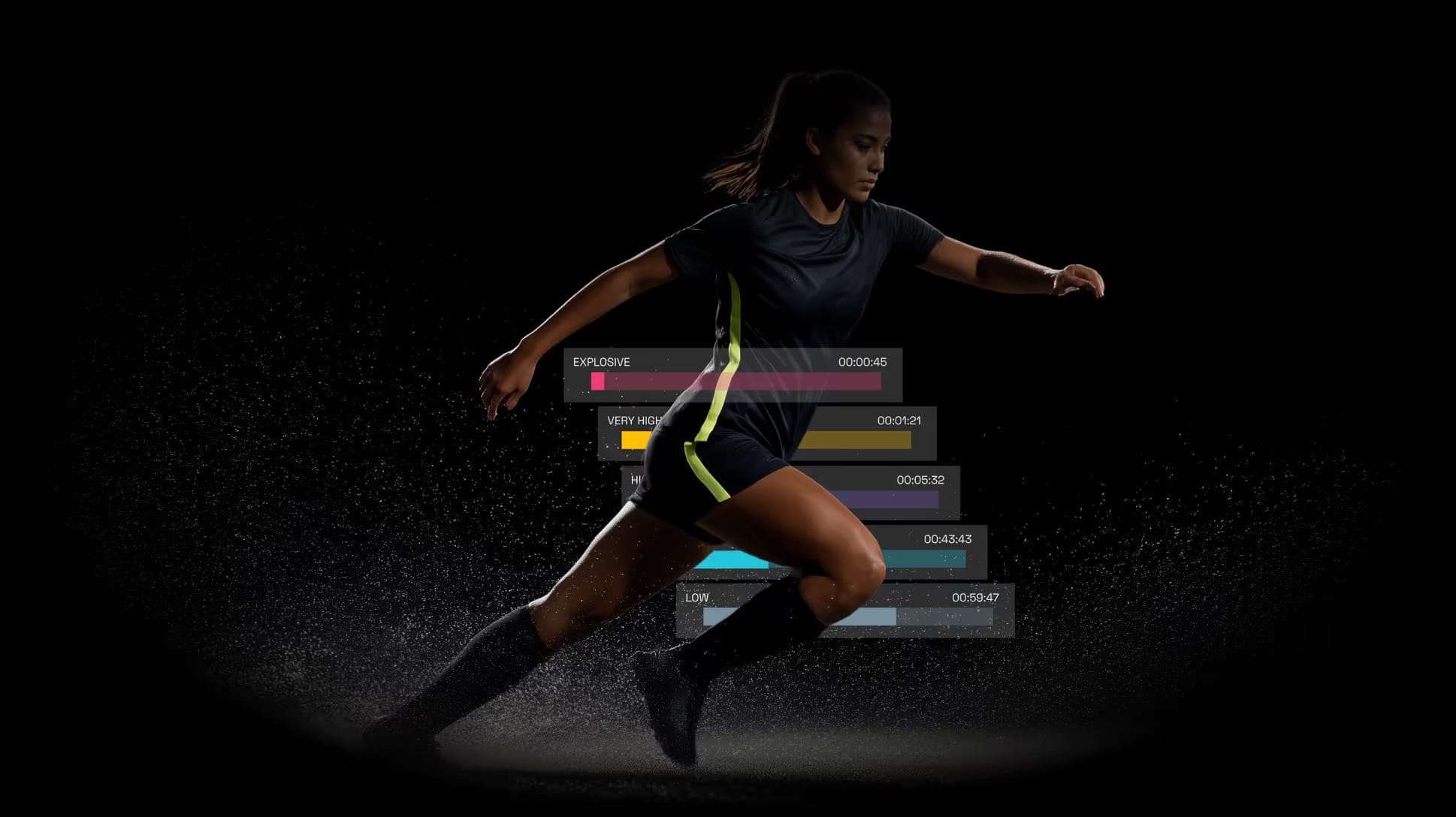
- Denmark’s women’s football team is using live leg data to win this summer. With Next11 sensors, every sprint and pass is tracked — boosting performance and reducing injury risk. Explore how data’s winning the game.
Up next ⏭️
What's brewing in the community?
- Sifted’s launching its first 100 Women in Tech list – and nominations are open. Know a Nordic founder, funder or operator making waves? Nominate before July 24.
- Hiring in hardware is hard — and getting it wrong is expensive. On July 24, Michael Pica (Hardware Velocity), among others, host a sharp webinar on building the right team from day one. Sign up for the webinar. And read our deep-dive with Michael Pica.
- Startup 4 Climate is back — with €50,000 up for grabs. The challenge, run by GodEl and Ellevio in collaboration with THINGS, targets early-stage Nordic startups driving tech-enabled climate impact. Apply by September 30.
And speaking of THINGS: 🎧 Listen to our interview with THINGS CEO Linda Krondahl!
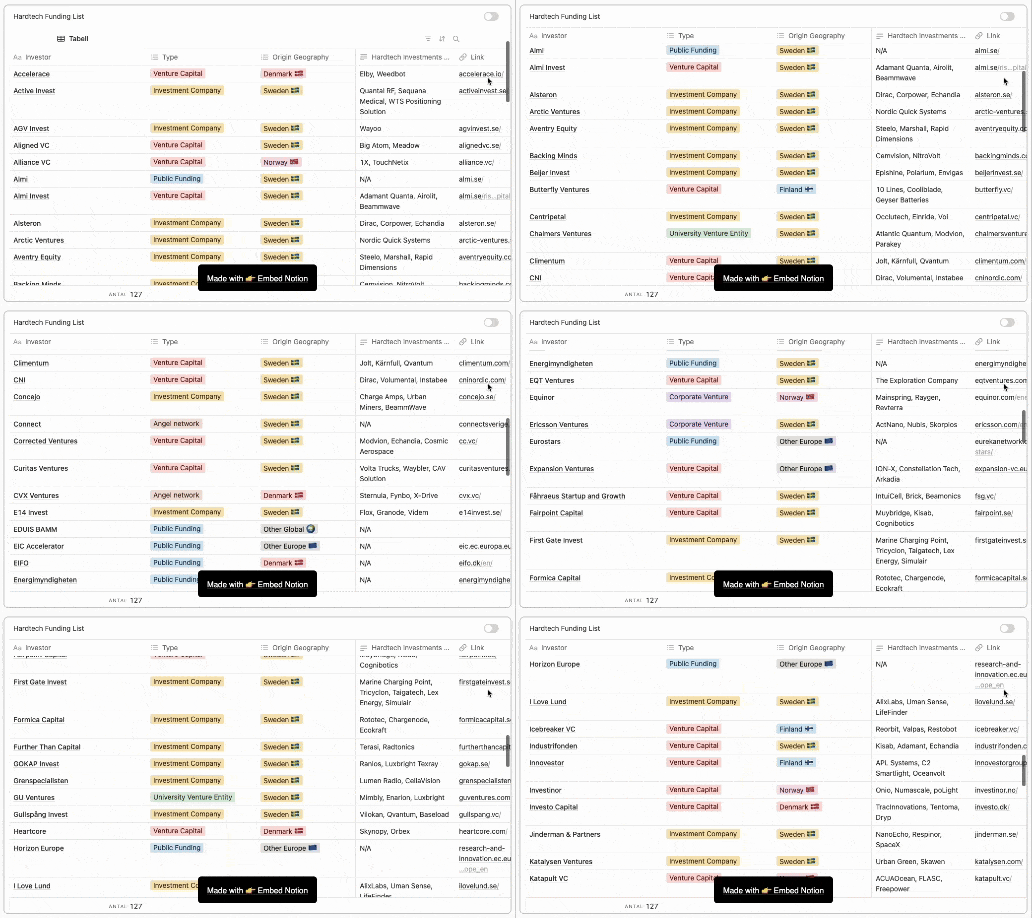
Funding your build? This list gets you closer.
Few investors actually understand hardtech. We’ve listed the ones who do.
Nordic Hardtech is a platform for the hardtech ecosystem — sharing knowledge, bringing inspiration, and building community through podcasts, newsletters, events, and more.
💸 Fuel up. Scaling takes capital — The Nordic Hardtech Funding List shows you where to find it.
💥Get involved. Pitch a topic. Join the podcast. Get on the investor list–if you're hardtech.
→ Spotify | LinkedIn | nordichardtech.com (beta!)
📩 hello@nordichardtech.com